


-

Add: HeBei ShengShi HongBang Cellulose Technology CO.,LTD.
-

Email
13180486930@163.com -

CONTACT US
+86 13180486930


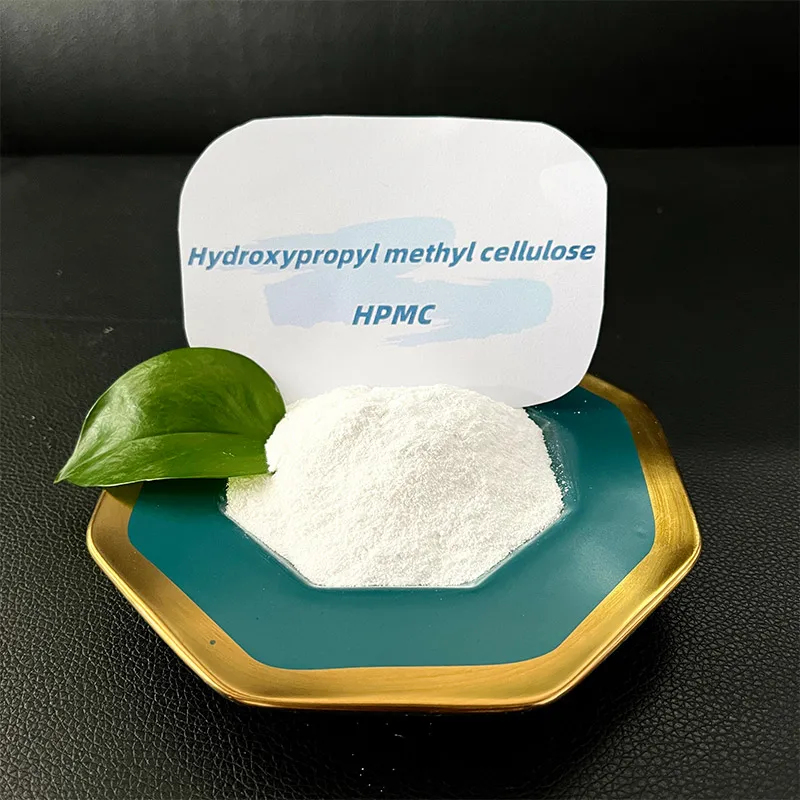


The emergence of HPMC nasal spray as a potential tool in the fight against COVID-19 has garnered significant attention from healthcare professionals, researchers, and the general public alike. Hydroxypropyl methylcellulose, or HPMC, is a versatile compound widely used in the pharmaceutical industry for its binding properties and safety profile. Its introduction into nasal spray formulations presents a novel approach to mitigating the risk of COVID-19 transmission and providing an additional layer of protection alongside vaccines and other preventive measures. HPMC Nasal Spray A Clinical Insight Amid the pandemic, various studies have explored the efficacy of nasal sprays in preventing viral infections. The primary function of an HPMC nasal spray is to form a protective barrier on the nasal mucosa . This barrier effectively traps viral particles and aids in their removal, reducing the likelihood of them entering the respiratory system. The spray's mechanism relies on the unique properties of HPMC, which allows it to adhere to the nasal lining and create a physical shield without causing irritation or adverse reactions. Researchers exploring HPMC nasal sprays have noted their potential in lowering viral load in the nasal passages, a critical site for initial coronavirus infection. Several clinical trials have been conducted to determine the spray’s effectiveness in real-world scenarios, offering promising results in reducing transmission rates among individuals exposed to COVID-19. Expert Opinions and Guidance Leading virologists and epidemiologists emphasize that while HPMC nasal sprays are not a standalone solution to COVID-19, they can be an effective adjunct to vaccination, mask-wearing, and social distancing. The spray’s ease of use and lack of systemic absorption make it a suitable option for individuals who seek additional protection, especially in high-risk environments such as healthcare settings, crowded public spaces, and among vulnerable populations. Medical professionals recommend the strategic use of HPMC nasal sprays as part of a comprehensive COVID-19 management plan. The spray should be used according to the manufacturer's instructions, typically involving application before exposure to crowded places and regular reapplication for continued efficacy. Building Trust Through Proven Safety hpmc nasal spray covid A key factor contributing to the trustworthiness of HPMC nasal sprays is their safety profile. Derived from cellulose, HPMC is non-toxic, non-allergenic, and widely recognized as safe for use in pharmaceutical and food products. Its application in nasal sprays is supported by extensive research demonstrating minimal risk of side effects, making it suitable for broad public use, including children and individuals with underlying health conditions. Moreover, reputable health organizations and regulatory bodies have begun acknowledging the potential advantages of barrier nasal sprays in respiratory viral protection. Although official endorsements are still emerging, the consistent findings across various studies highlight the spray's potential benefits and safety, encouraging more robust exploration and use. Real-World Experience Testimonials and User Satisfaction Users of HPMC nasal sprays have reported a sense of added security when engaging in daily activities, particularly in scenarios where social distancing is challenging. Many appreciate the spray's non-invasive nature and ease of integration into their routine preventive measures. Testimonials often mention the spray's convenience, noting its unobtrusive application and absence of any noticeable discomfort or side effects. Additionally, users have expressed satisfaction with the spray's perceived effectiveness, reinforcing its credibility as a practical preventive measure. However, they also acknowledge the importance of complementing its use with vaccination and other recommended practices for holistic COVID-19 protection. Concluding Perspective The innovation behind HPMC nasal sprays represents a significant step forward in respiratory disease prevention, particularly in the context of COVID-19. By leveraging its expertise in pharmaceuticals and understanding the dynamics of viral transmissions, the development of HPMC nasal sprays adds a valuable tool to the arsenal against COVID-19. As research continues and adoption increases, stakeholders in public health and the healthcare industry are poised to gain valuable insights into the integration of such preventative measures into broader health strategies. The potential of HPMC nasal sprays, backed by scientific expertise and real-world testimonials, positions it as a credible option in our continued efforts to navigate the challenges of the COVID-19 pandemic and beyond.
- 40000tons

Production
- 20+years

Experience
- 5000+㎡

Acreage

-
Navigating the intricacies of starch ether pricing can be a challenging task, especially for businesses relying on its unique properties for various applications. As the demand for ecologically friendly and high-performance construction materials grows, understanding the factors influencing starch ether price becomes paramount. Let’s delve into the core variables affecting pricing and provide insights to aid companies in making informed purchasing decisions. Starch ether, a modified polysaccharide, is esteemed in industries such as construction, textiles, and adhesives for its ability to improve water retention, workability, and consistency. Its usefulness across sectors makes it a commodity whose price is shaped by numerous factors. The price of starch ether is intricately tied to raw material costs, primarily the price of native starches derived from corn or potatoes. Variability in agricultural output can influence supply levels; hence, fluctuations in crop yields due to weather conditions or export-import policies in major producing countries can significantly impact prices. For instance, a poor corn harvest season can drive up the cost of base starch, which in turn raises starch ether prices. Additionally, production costs are a crucial determinant. The conversion of native starch into starch ethers involves specialized technology and chemical treatments, which require steady investment into research and development to improve efficiency and sustainability of the process. As manufacturers strive to meet environmental standards, they often invest in greener production technologies. This transition may increase operational costs temporarily, thereby affecting the price point of the final product. starch ether price Another key element affecting starch ether pricing is the prevailing demand across industries . With increasing environmental regulations encouraging the use of biodegradable and non-toxic materials, starch ether sees higher usage in applications like sustainable packaging and construction. This heightened demand can create upward pressure on prices, especially if supply doesn't scale proportionately. Emerging markets and technological advancements further contribute to the price dynamics of starch ethers. Adoption in new geographical areas or industries can drive competitive pricing, while innovations that improve functionality or application efficiency can command a premium price. Being proactive, businesses can capitalize on these advancements either through strategic partnerships or by investing in cutting-edge starch ether products that provide enhanced value propositions. Global economic conditions also play a part in pricing. Exchange rate fluctuations can alter import and export dynamics, impacting prices for countries reliant on international trade for raw materials or finished products. Tariffs and trade agreements likewise shape the overall cost structure, influencing final market prices. In conclusion, navigating the pricing landscape of starch ether requires a comprehensive understanding of multifactorial influences. Businesses can optimize their purchase strategy by closely monitoring raw material markets, staying abreast of advancements in production technologies, and being alert to demand shifts in the global arena. By prioritizing transparency and building strong supplier relationships, companies can better manage cost variables and maintain competitive advantage in their respective sectors.
-
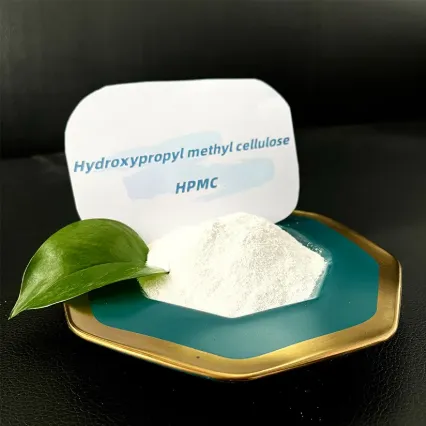
Hydroxypropyl Methylcellulose (HPMC) has emerged as a versatile and essential ingredient in the food industry, transforming the way food products are developed and enhancing their quality. Employed namely for its exceptional emulsifying, thickening, and gelling abilities, HPMC continues to gain recognition among food scientists and manufacturers for its innovative applications. With its origin traced back to cellulose, HPMC is produced through the chemical modification of this natural component, ensuring it remains non-toxic and safe for consumption. This synthetic polymer exhibits a high-water retention quality and forms a gel when dissolved in cold water, which makes it optimal for a multitude of food applications. In bakery products, HPMC assumes a critical role in improving dough properties, retaining moisture during baking, and extending the shelf life of finished products. Its ability to reduce the retrogradation of starch ensures that baked goods maintain freshness longer than they typically might, which is highly beneficial for both bakeries and consumers. The addition of HPMC in gluten-free recipes is a game-changer, as it compensates for the loss of gluten, providing structure and elasticity to dough, thus enhancing the texture and appeal of gluten-free bread and pastries. Furthermore, HPMC’s role in creating emulsions makes it indispensable in the production of sauces, dressings, and gravies. Its stabilizing properties prevent the separation of oil and water, ensuring a consistent texture and appearance. Food scientists have noted its effectiveness in low-fat and low-calorie products, where fat content reduction is desired. Here, HPMC enhances mouthfeel and mimics the creaminess of full-fat counterparts without compromising taste or satisfaction, aligning perfectly with the growing demand for healthier food options. In the dairy industry, HPMC is utilized to improve viscosity and stabilize dairy products such as yogurt and ice cream. It helps in maintaining the form and consistency, particularly in reduced-fat versions, by preventing ice crystal formation which can detract from the smoothness typically desired in ice cream. By promoting even distribution of particles and maintaining the suspension of other ingredients, HPMC ensures consistency throughout the product's shelf life. hpmc in food Snack foods benefit from HPMC's film-forming properties, which are leveraged to create barriers that prevent moisture gain and oil migration, preserving crunchiness and flavor. This attribute is particularly advantageous in products such as fried snacks and cereals, where a prolonged crispiness is a key quality attribute sought by consumers. The burgeoning plant-based food sector has also recognized the utility of HPMC. As an emulsifier, binder, and stabilizer, HPMC enhances the coherency and mouthfeel of plant-based meat and dairy alternatives. It helps mimic the juicy texture and structure of animal-derived products, often missing in plant-based options, thereby raising their appeal to a broader audience. However, the incorporation of HPMC into food products is not merely functional; it's also regulated by stringent safety standards. The Food and Drug Administration (FDA) along with the European Food Safety Authority (EFSA) have approved HPMC as a safe food additive, which reassures both manufacturers and consumers regarding its use. Innovation and sustainability also find their intersection with HPMC, as its cellulose base derives from plant fibers, positioning it as an environmentally friendly option in food production. This sustainability angle aligns with global movements towards reducing environmental impact, elevating HPMC's status not just as a synthetic enhancer but as a responsible choice within product formulations. As food technology advances, the importance of HPMC in food products only becomes more pronounced . Its adaptability and multifaceted benefits make it a cornerstone in developing not only tasty but also stable and healthy food options. For food manufacturers aiming to stay ahead in the competitive market, understanding and utilizing HPMC’s full potential is indispensable.
advantages
-

200000 Viscosities
Excellent product
We can produce pure products up to 200,000 viscosities
-

40000 tons
High yield
We don’t stop production all year round, and the annual output can reach 40,000 tons
-

24 hours
Quality service
We provide 24-hours online reception service, welcome to consult at any time
———— Inquiry Form
Schedule A services

-
 maombi_ya_nyuzi_za_polypropen
Oct . 25, 2025
In the world of industrial applications, particularly in the realm of pharmaceuticals and constructi -
 hpmc_adhesive
Oct . 25, 2025
Understanding Anionic Polyelectrolyte Powder Properties, Applications, and Benefits Polyelectrolytes -
 chopped_polypropylene_fiber
Oct . 25, 2025
Dans le monde numérique compétitif d'aujourd'hui, trouver un numéro de contact fiable pour des produ


